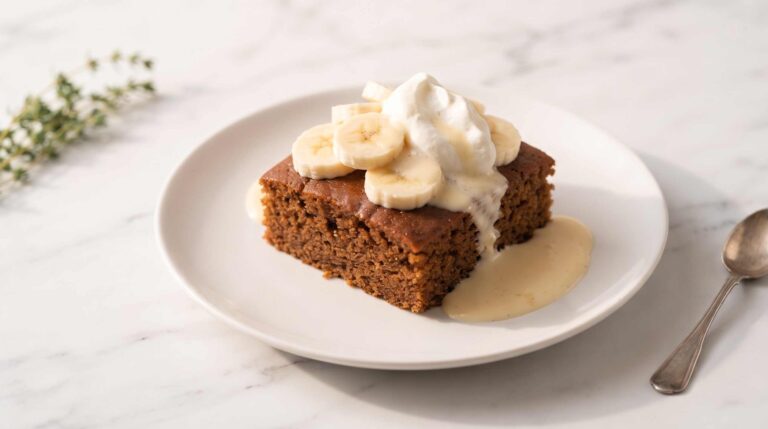
Easy Gingerbread Loaf Recipe with Treacle for Cozy Holiday Baking
This gingerbread loaf recipe bakes low and slow into a dense, moist, deeply spiced cake with a tender crumb and a split top. It takes about 15 minutes of hands-on time, bakes for 1 hour 20 minutes, and needs no mixer, so it’s an easy holiday dessert recipe you can have in the oven on a weeknight.
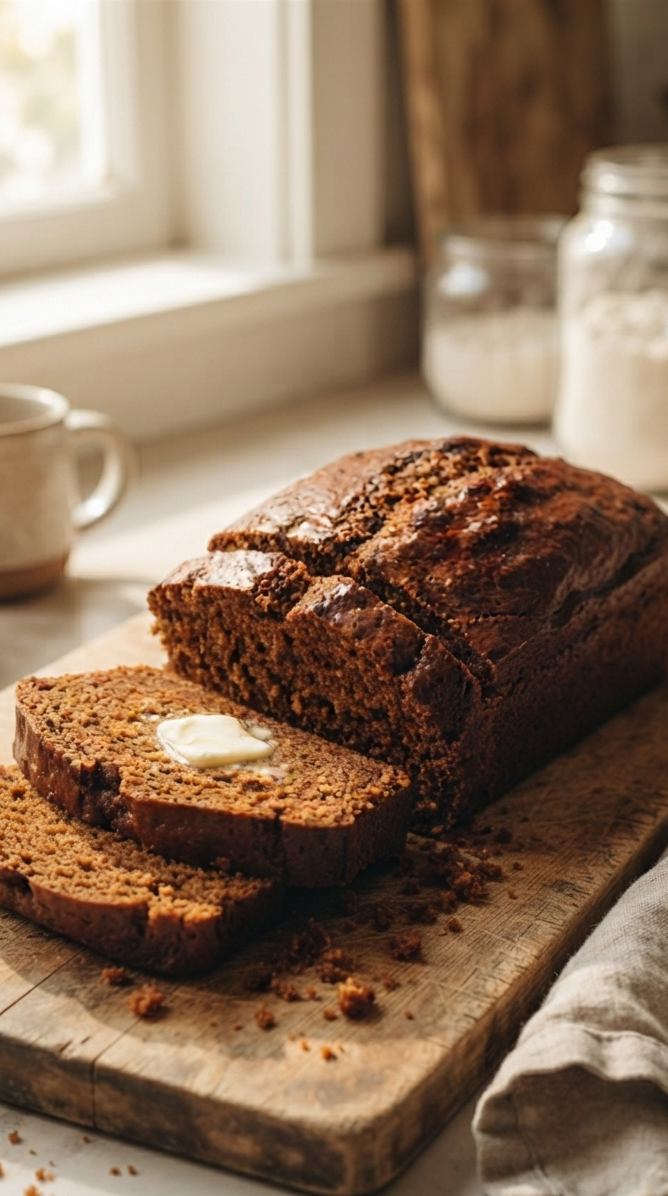
Warm ginger, cinnamon, and treacle make this loaf taste like the holidays in every bite, and the batter comes together in two bowls with a whisk — no creaming, no mixer, no fuss. It’s the kind of recipe that smells like Christmas while it bakes.
My favorite part about this one is that it actually tastes better the day after you make it, so it’s a genuinely good make-ahead recipe instead of just a convenient one.
Why You’ll Love This Recipe
- Deep, warm gingerbread loaf flavor from real treacle, not just a sprinkle of cinnamon
- No mixer needed — just two bowls and a whisk
- Dense, moist crumb that holds together for thick slices
- Gets better with a day or two to sit, so it’s genuinely make-ahead
- Freezes beautifully, sliced or whole
- Simple pantry ingredients, no fancy equipment
Ingredients
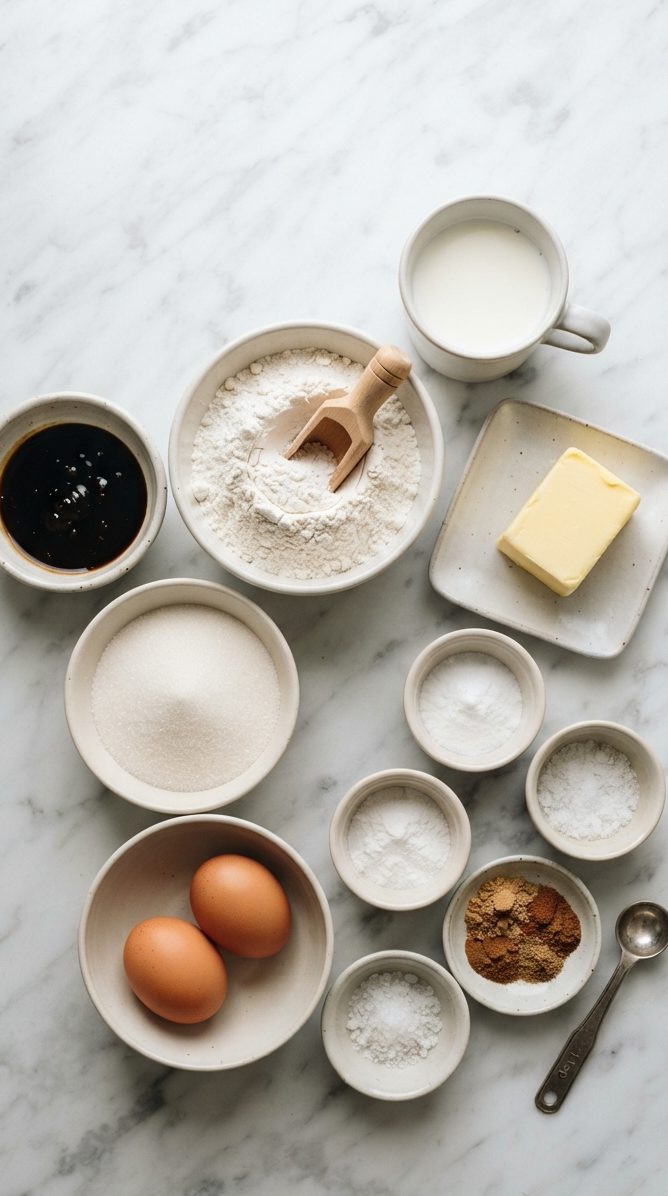
- 300g (1 cup) treacle
- 225g (1 cup) unsalted butter, cold is fine
- 250g (1 cup) whole milk, cold is fine
- 300g (2 1/2 cups) all-purpose flour, sifted
- 180g (3/4 cup + 2 tbsp) granulated sugar
- 1 tsp baking soda
- 1 tsp baking powder
- 1 tsp salt
- 2 tbsp (15g) ground ginger
- 1 tsp ground cinnamon
- 1/2 tsp mixed spice (or pumpkin pie spice)
- 1/2 tsp ground nutmeg
- 1/2 tsp ground cardamom
- 2 large eggs (about 100g without shell), room temperature
Ingredient Notes and Substitutions
- Treacle: this is what gives the loaf its deep color and flavor, and testing found it the best option for both taste and texture. Golden syrup works as a swap, but switch the granulated sugar to brown sugar if you do, since golden syrup gives a lighter flavor on its own. Molasses is not a straight swap here — it makes the loaf too rich and can cause the center to sink.
- Butter: this recipe uses unsalted. If all you have is salted butter, leave out the added salt in the dry ingredients.
- Mixed spice: this is a specific spice blend, not the same thing as allspice. If you can’t find it, pumpkin pie spice or a bit of extra cinnamon both work fine.
- Leaveners: check that your baking soda and baking powder are fresh before you start. Expired leaveners are one of the most common reasons this loaf comes out flat instead of risen.
Step 1: Prep the Pan and Oven
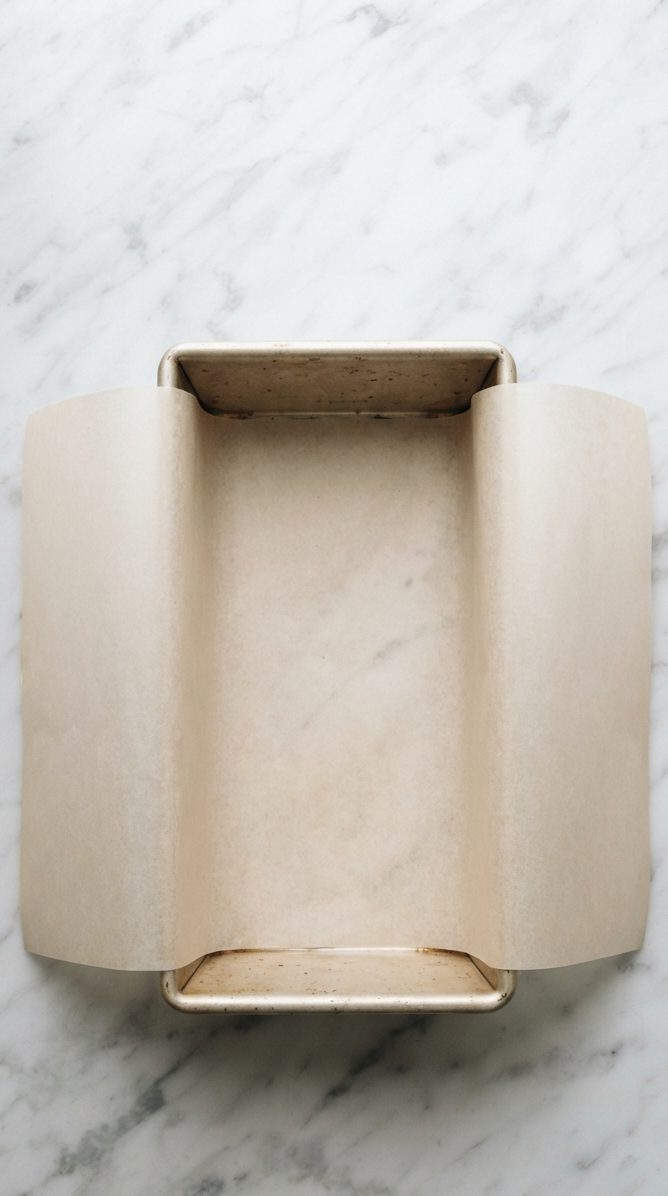
Preheat your oven to 300°F (150°C). Grease a 9×5-inch loaf pan and line it with parchment paper, leaving a little overhang on the long sides so you can lift the loaf out cleanly later. This batter fills a standard loaf pan almost to the top, so a true 9×5-inch pan (or a Pullman pan) matters here — a smaller tin will overflow in the oven.
Step 2: Melt the Treacle and Butter
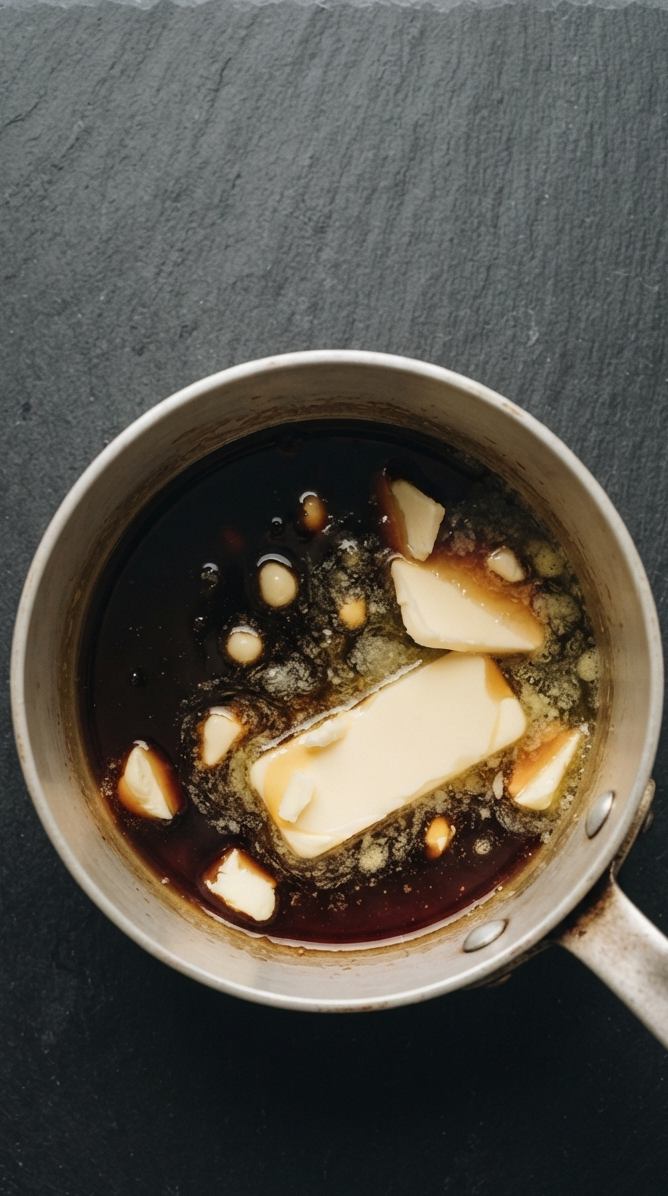
In a saucepan over medium heat, melt the treacle and butter together, stirring often so it doesn’t catch on the bottom. Don’t let it come to a boil. Once it’s smooth, take it off the heat and stir in the milk — this cools the mixture down. Let it sit for 10 minutes before moving on. This resting time matters more than it looks like it should: if the mixture is still hot when you add the eggs in Step 4, you’ll end up with streaks of scrambled egg baked into your loaf.
Step 3: Whisk the Dry Ingredients
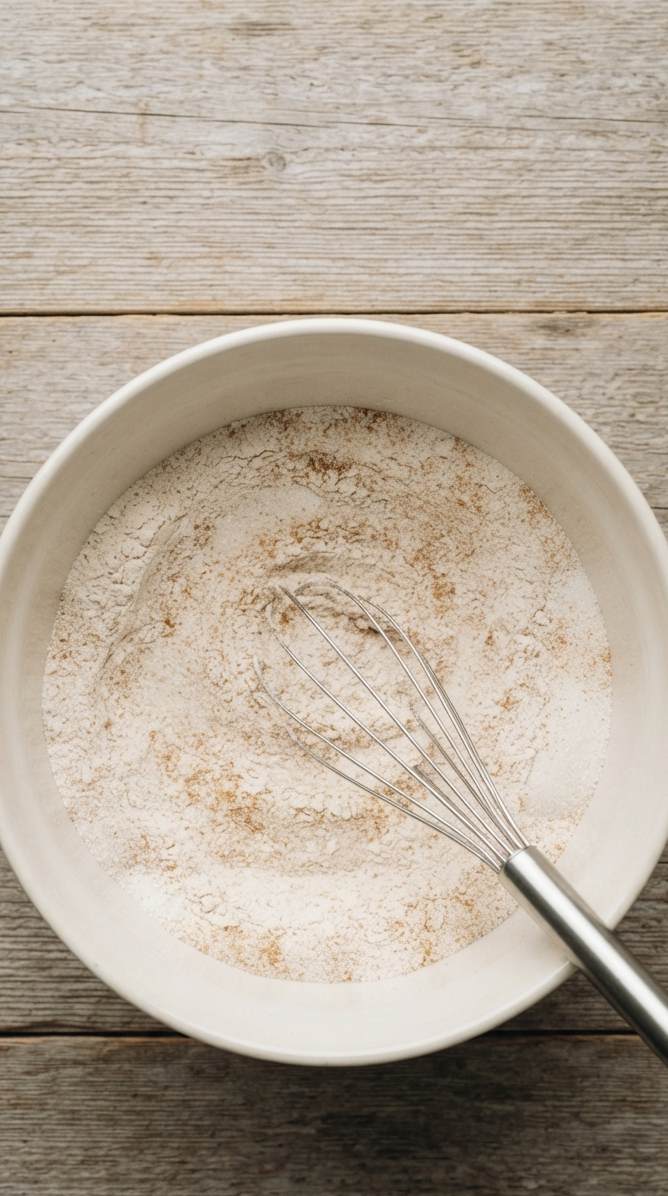
While the treacle mixture cools, sift the flour, sugar, baking soda, baking powder, salt, and all the spices into a large bowl. Whisk everything together well so the leaveners and spices are evenly distributed — any clumps of baking soda left in one spot can leave a bitter bite in that part of the loaf.
Step 4: Whisk In the Eggs
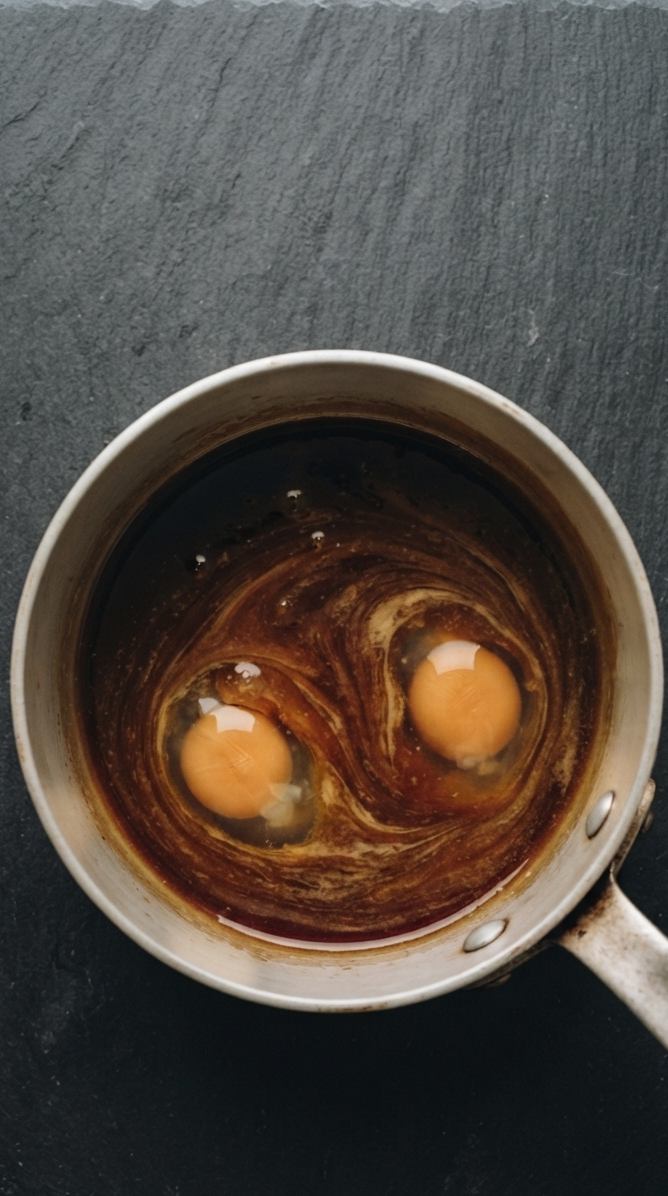
Once the treacle mixture has cooled for the full 10 minutes, add the eggs and whisk until fully combined. If the mixture still feels warm to the touch, give it another few minutes before adding the eggs.
Step 5: Combine Wet and Dry
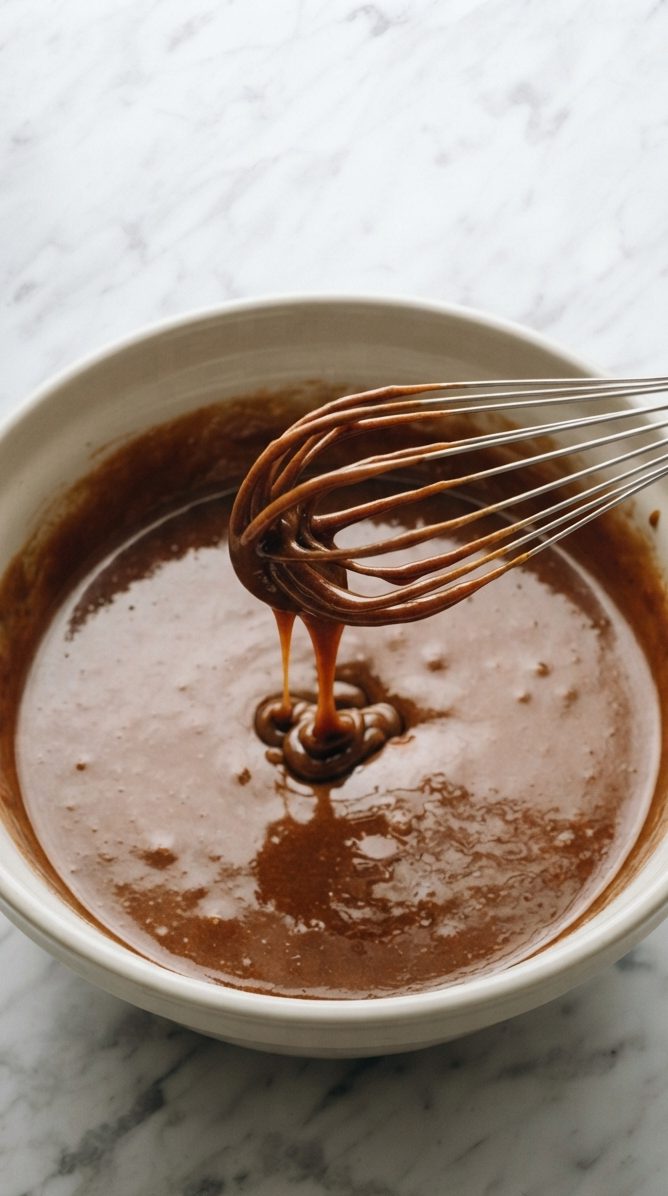
Pour the treacle mixture into the bowl of dry ingredients and whisk until smooth, with no streaks of flour or dry pockets left. The batter will be very thin and runny — much thinner than a typical cake batter. That’s exactly right for this recipe, not a sign anything went wrong.
Step 6: Fill the Pan
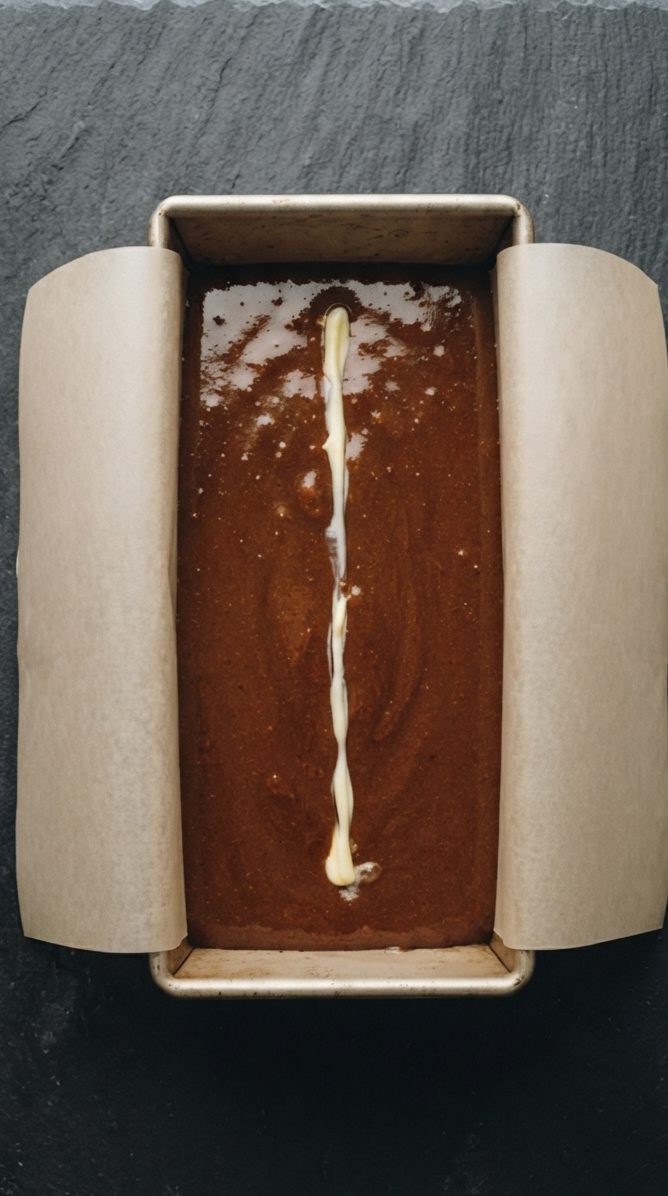
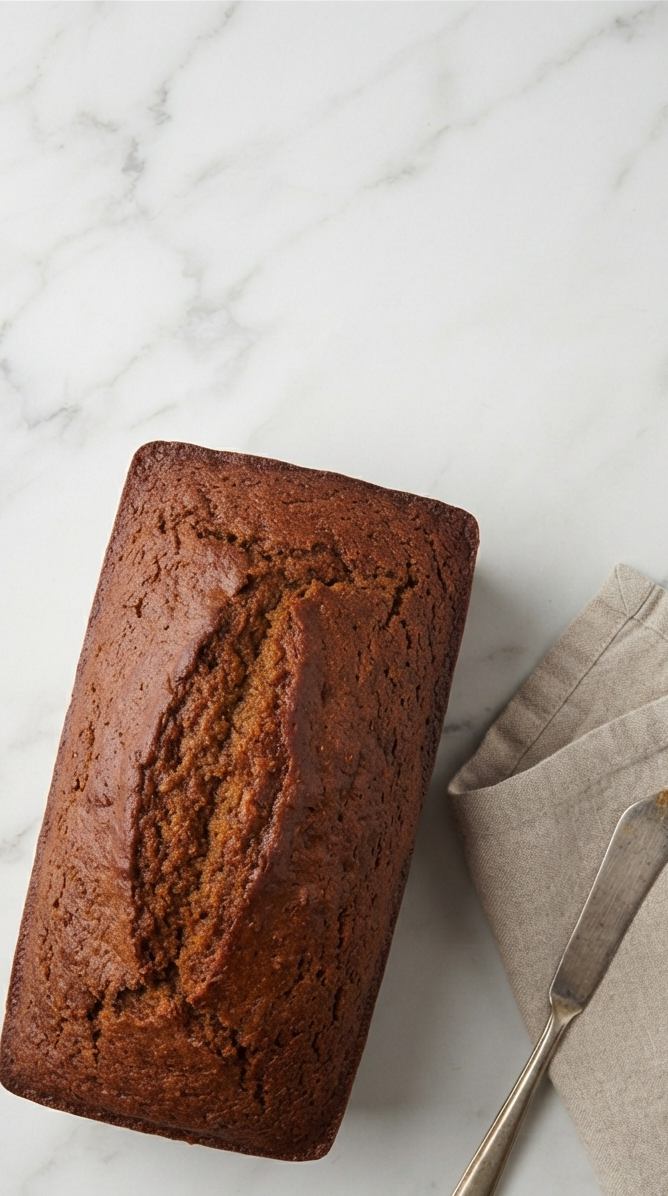
Pour the batter into your prepared pan. If you want a neat, even split down the center instead of a random crack, run an oiled knife or a thin line of softened butter down the middle of the batter before it goes in the oven — this gives the loaf a place to split cleanly as it rises.
Step 7: Bake Low and Slow
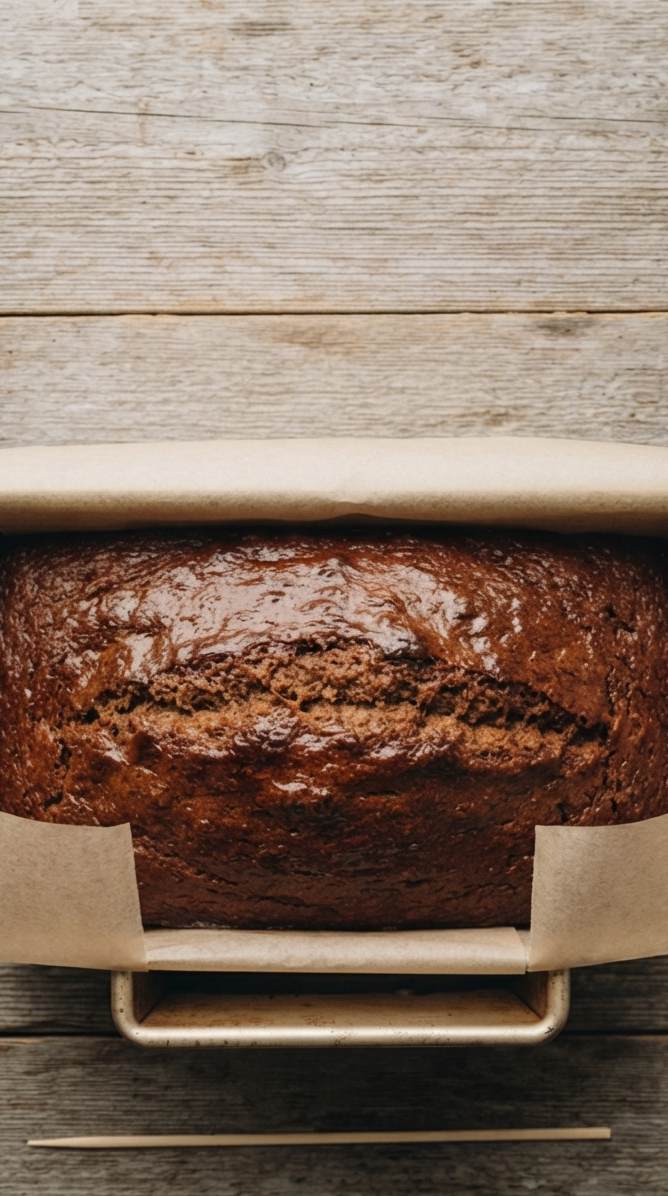
Bake for 1 hour and 20 minutes. Check doneness with a skewer inserted all the way down to the bottom of the pan, not just into the top inch — this loaf is tall and dense, and a skewer that only goes partway can read as done when the center underneath is still wet. The skewer should come out clean with no raw batter clinging to it. If the top is browning too quickly before the center sets, tent it loosely with foil for the last 15–20 minutes.
Step 8: Cool Completely
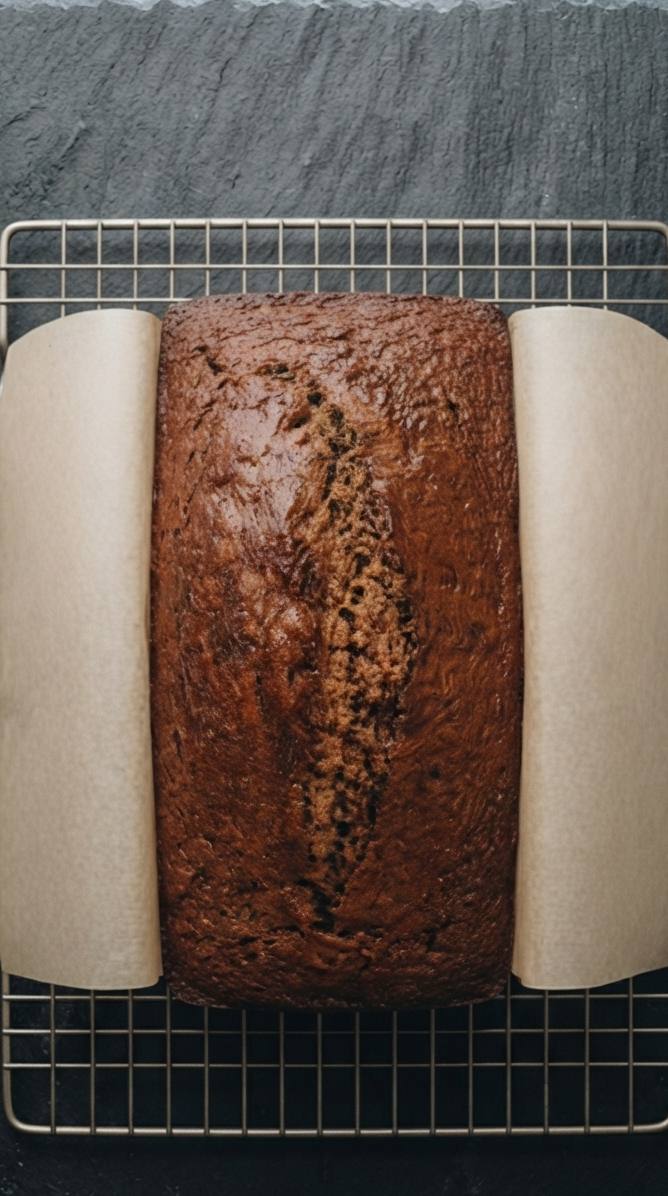
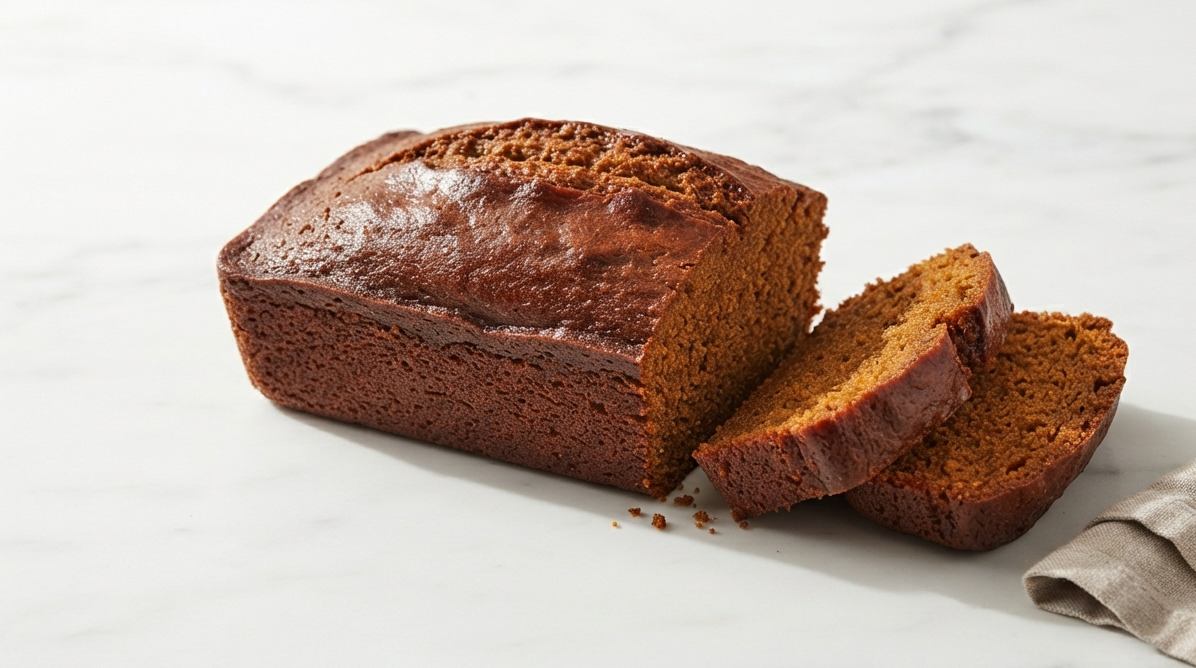
Let the loaf cool in the pan first, then use the parchment overhang to lift it out onto a wire rack to finish cooling. Slicing it while it’s still warm will give you a gummy, compressed slice instead of a clean one — the crumb needs time to fully set.
Step 9: Slice and Serve
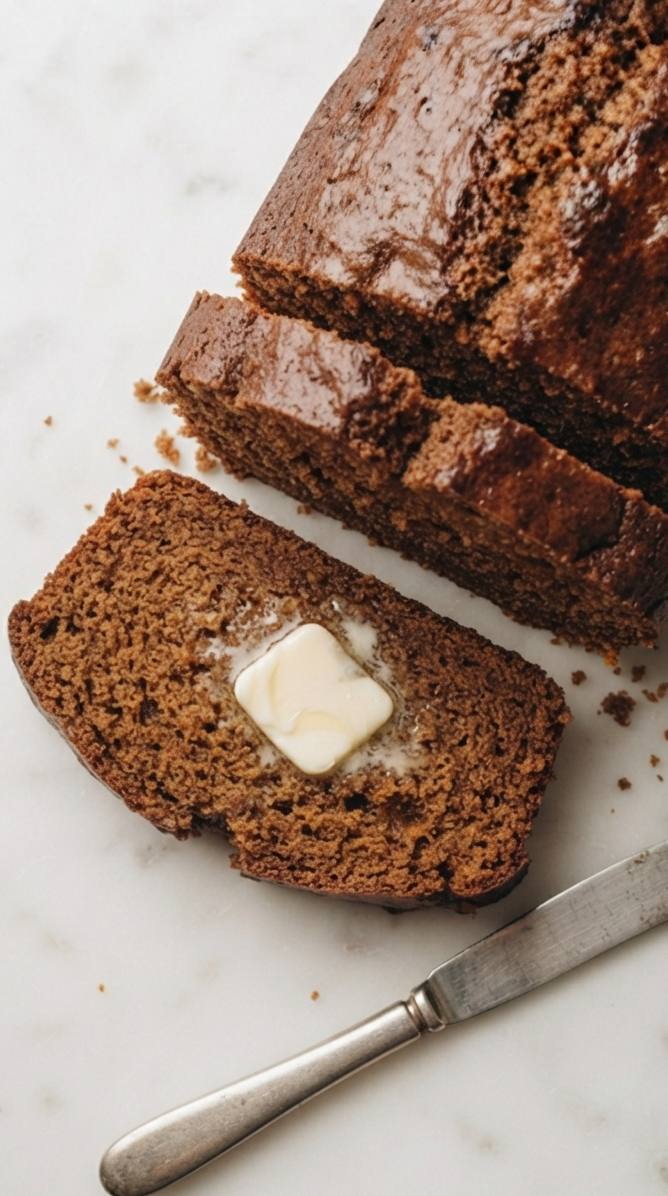
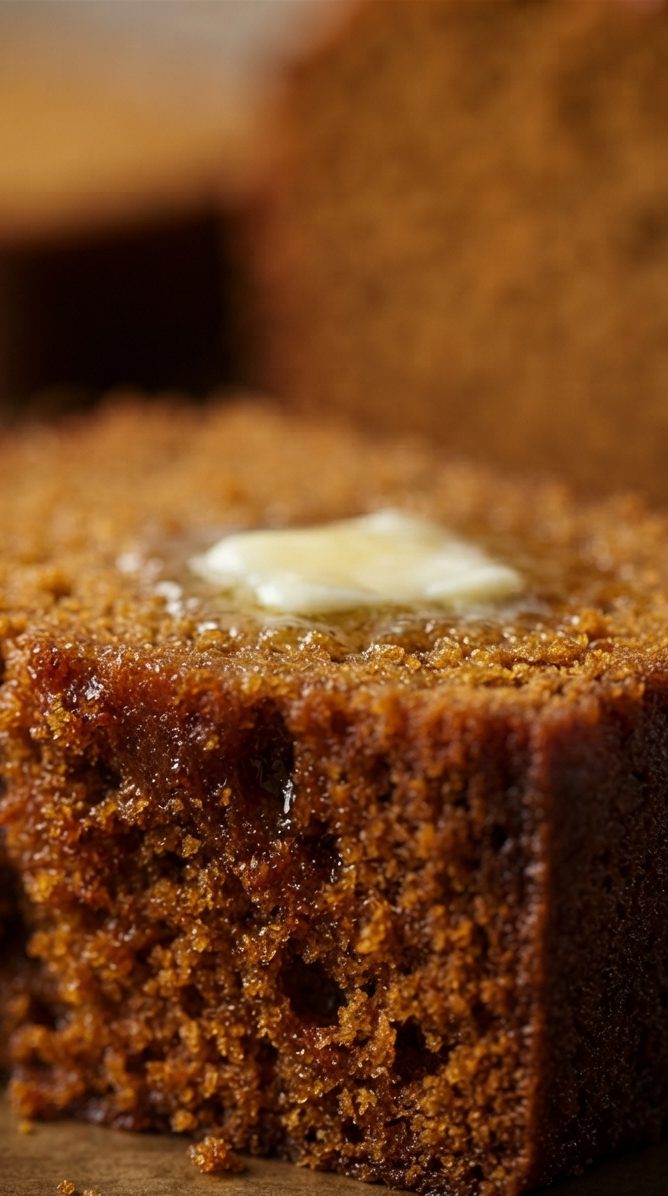
Serve in thick slices, with plenty of butter if you’re feeling indulgent. This loaf is rich enough to stand on its own, but it’s even better slightly warmed with butter melting into it.
Tips for the Best Results
- A sunken or dense center almost always traces back to one of three things: expired leaveners, underbaking, or a pan that’s too small for the amount of batter — check all three before troubleshooting anything else
- Don’t rush the 10-minute cooling time in Step 2 — adding warm liquid to the eggs is what causes little flecks of scrambled egg in the finished loaf
- This loaf genuinely improves after a day or two at room temperature, so baking it ahead isn’t just convenient, it’s the better result
- If your batter looks thin and almost pourable, that’s correct for this recipe — don’t add extra flour to thicken it
What to Serve With It
- A warm mug of spiced chai or black tea alongside each slice
- A dollop of lightly sweetened whipped cream or a smear of salted butter on top
- A handful of gingerbread thumbprint cookies if you want more than one gingerbread dessert on the table

Gingerbread Loaf
Ingredients
Method
- Preheat your oven to 300°F (150°C). Grease a 9×5-inch loaf pan and line it with parchment paper, leaving a little overhang on the long sides so you can lift the loaf out cleanly later. This batter fills a standard loaf pan almost to the top, so a true 9×5-inch pan matters here, a smaller tin will overflow in the oven.
- In a saucepan over medium heat, melt the treacle and butter together, stirring often so it doesn’t catch on the bottom. Don’t let it come to a boil. Once it’s smooth, take it off the heat and stir in the milk to cool the mixture down. Let it sit for 10 minutes before moving on.
- While the treacle mixture cools, sift the flour, sugar, baking soda, baking powder, salt, and all the spices into a large bowl. Whisk everything together well so the leaveners and spices are evenly distributed.
- Once the treacle mixture has cooled for the full 10 minutes, add the eggs and whisk until fully combined. If the mixture still feels warm to the touch, give it another few minutes before adding the eggs.
- Pour the treacle mixture into the bowl of dry ingredients and whisk until smooth, with no streaks of flour or dry pockets left. The batter will be very thin and runny, much thinner than a typical cake batter. That’s expected.
- Pour the batter into your prepared pan. If you want a neat, even split down the center, run an oiled knife or a thin line of softened butter down the middle of the batter before it goes in the oven.
- Bake for 1 hour and 20 minutes. Check doneness with a skewer inserted all the way down to the bottom of the pan. The skewer should come out clean with no raw batter clinging to it. If the top browns too quickly, tent it loosely with foil for the last 15-20 minutes.
- Let the loaf cool in the pan first, then use the parchment overhang to lift it out onto a wire rack to finish cooling completely before slicing.
- Serve in thick slices, with plenty of butter if you’re feeling indulgent.
Notes
- Check that leaveners are fresh before starting – expired baking soda or powder is the most common cause of a flat or sunken loaf
- Use a true 9×5-inch loaf pan; the batter fills a standard pan almost to the top
- Let the loaf cool completely before slicing for clean cuts
- Nutrition is an estimate calculated from the ingredients and will vary with brands and portion size
Bake This Gingerbread Loaf for Your Next Holiday Gathering
This is one of those recipes that looks fancy sliced on a plate but is genuinely one of the easiest things you’ll bake all season. No mixer, no layers, no fuss — just a saucepan, a bowl, and a whisk.
Make it a day or two before you need it if you can. The flavor settles in and the texture gets even better, so you’re not just saving yourself time, you’re making a better loaf.
If you give this gingerbread loaf a try, I’d love it if you left a star rating and a comment below — it helps other readers know what to expect.
For more gingerbread recipes you will love: